HomeDriveways
Driveway paving · Eastern Shore, MDDriveways and farm lanes.
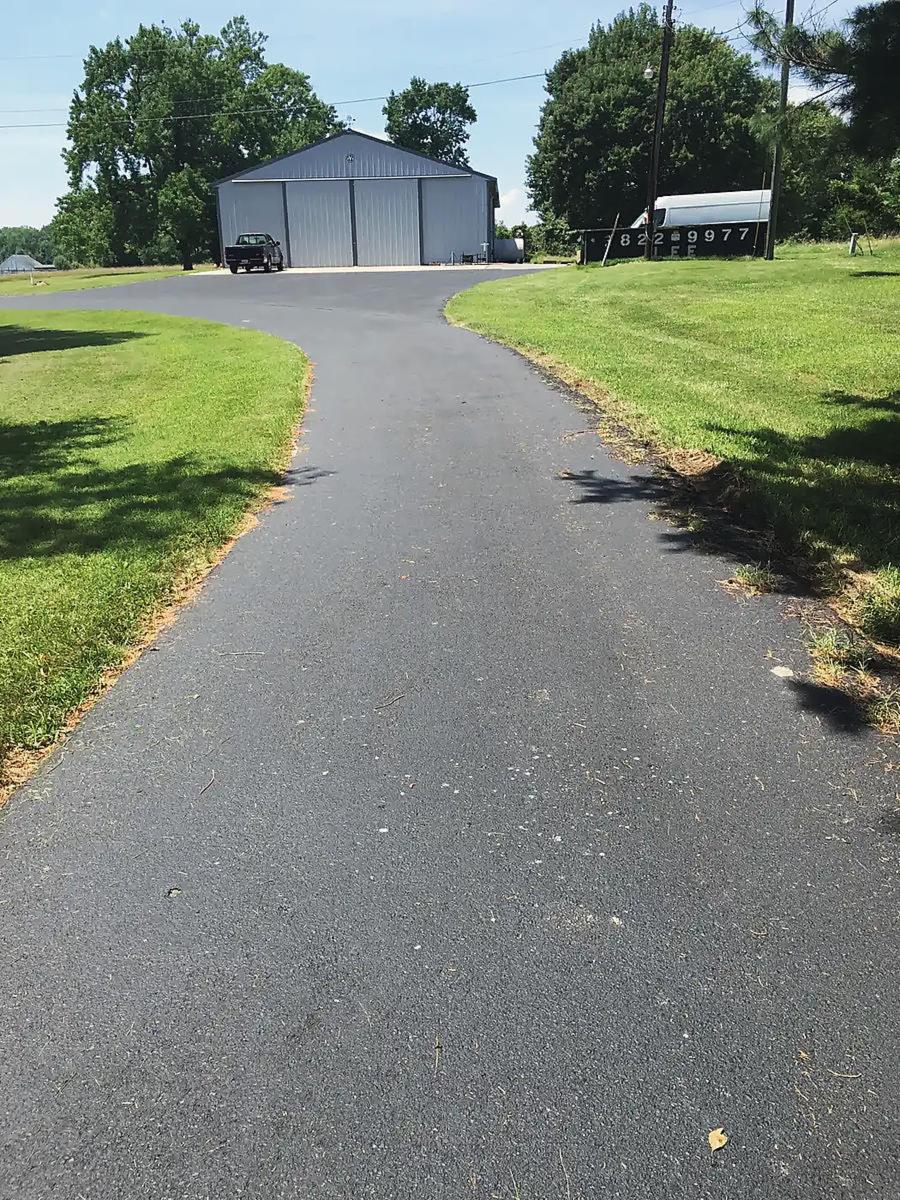
Driveway paving across Maryland's Eastern Shore and into Delaware: asphalt, tar and chip, stone, sealcoating and repair, plus topsoil and fill dirt, for homes and farms.
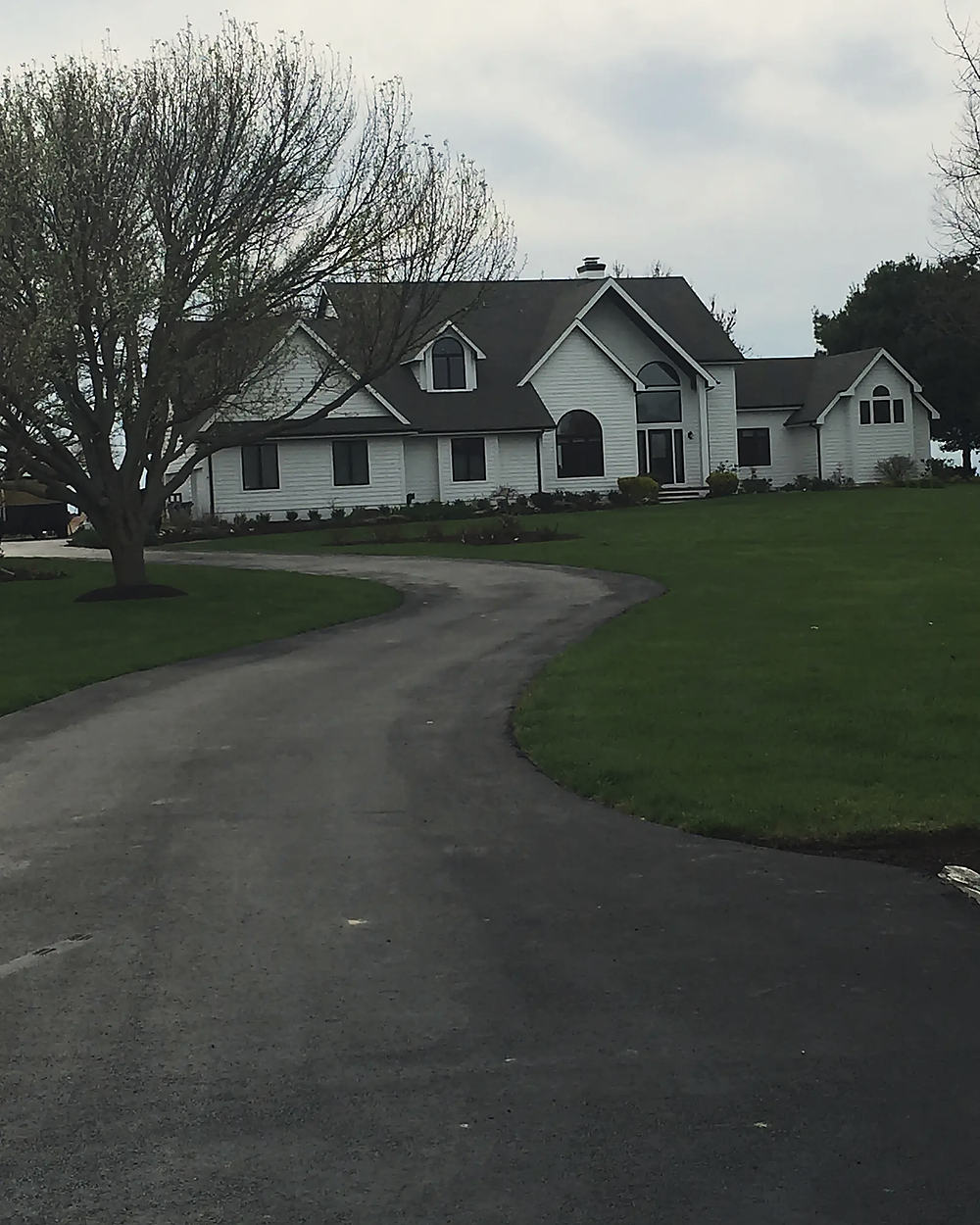
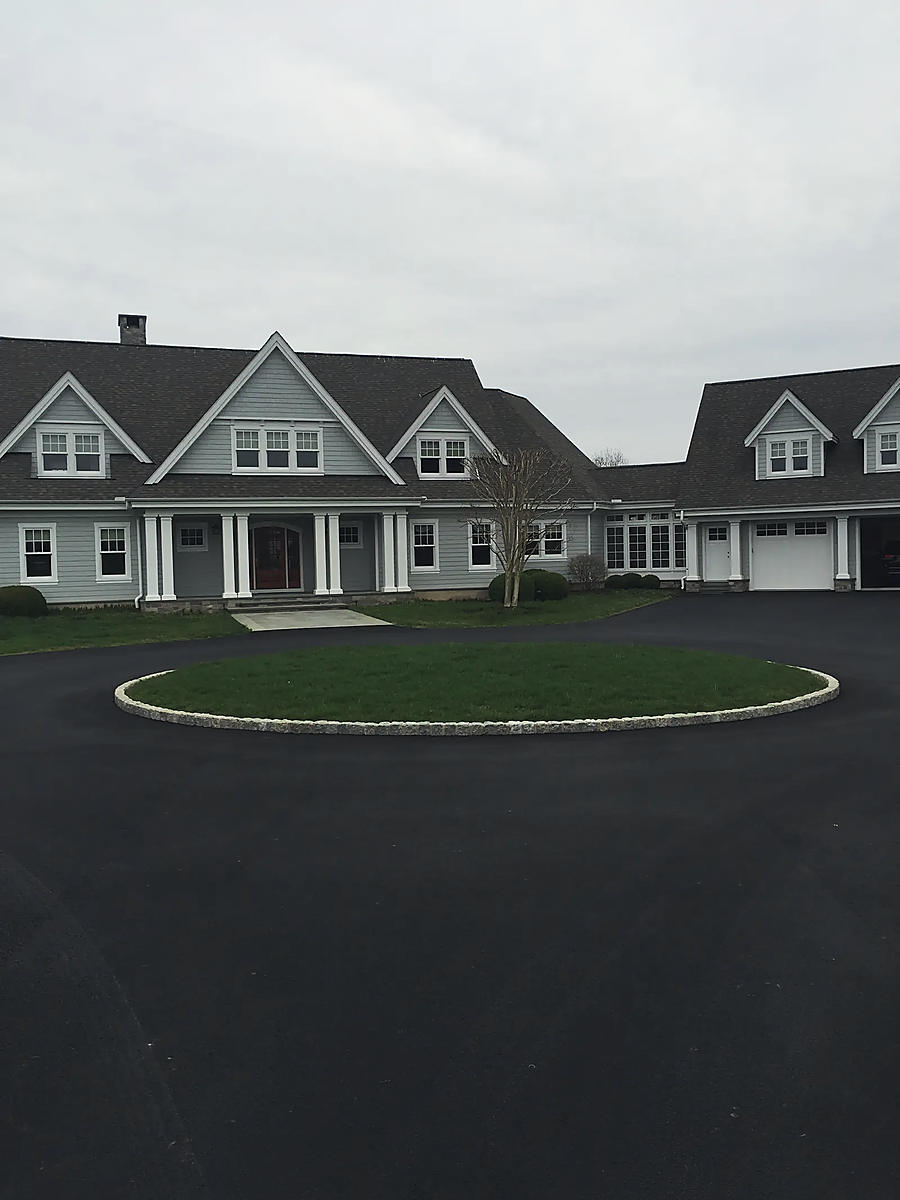
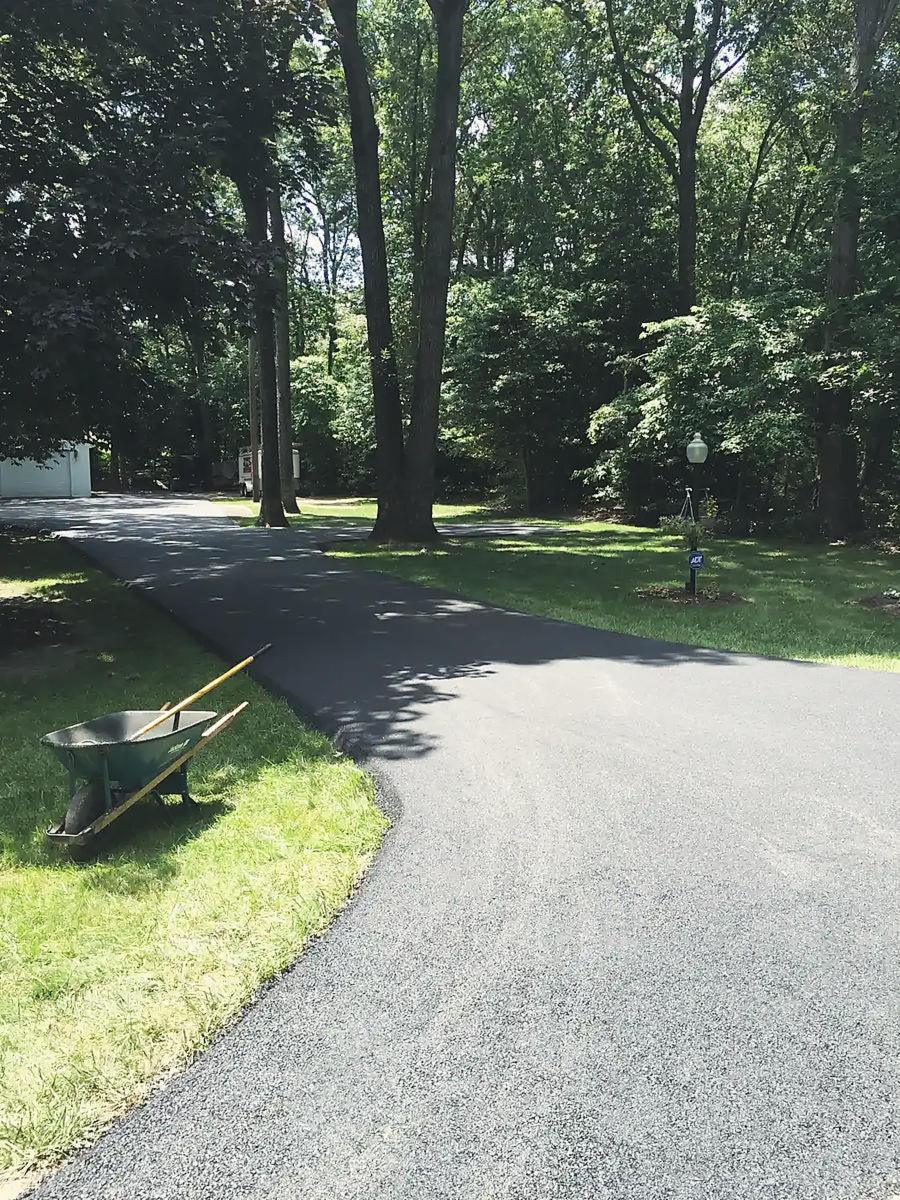
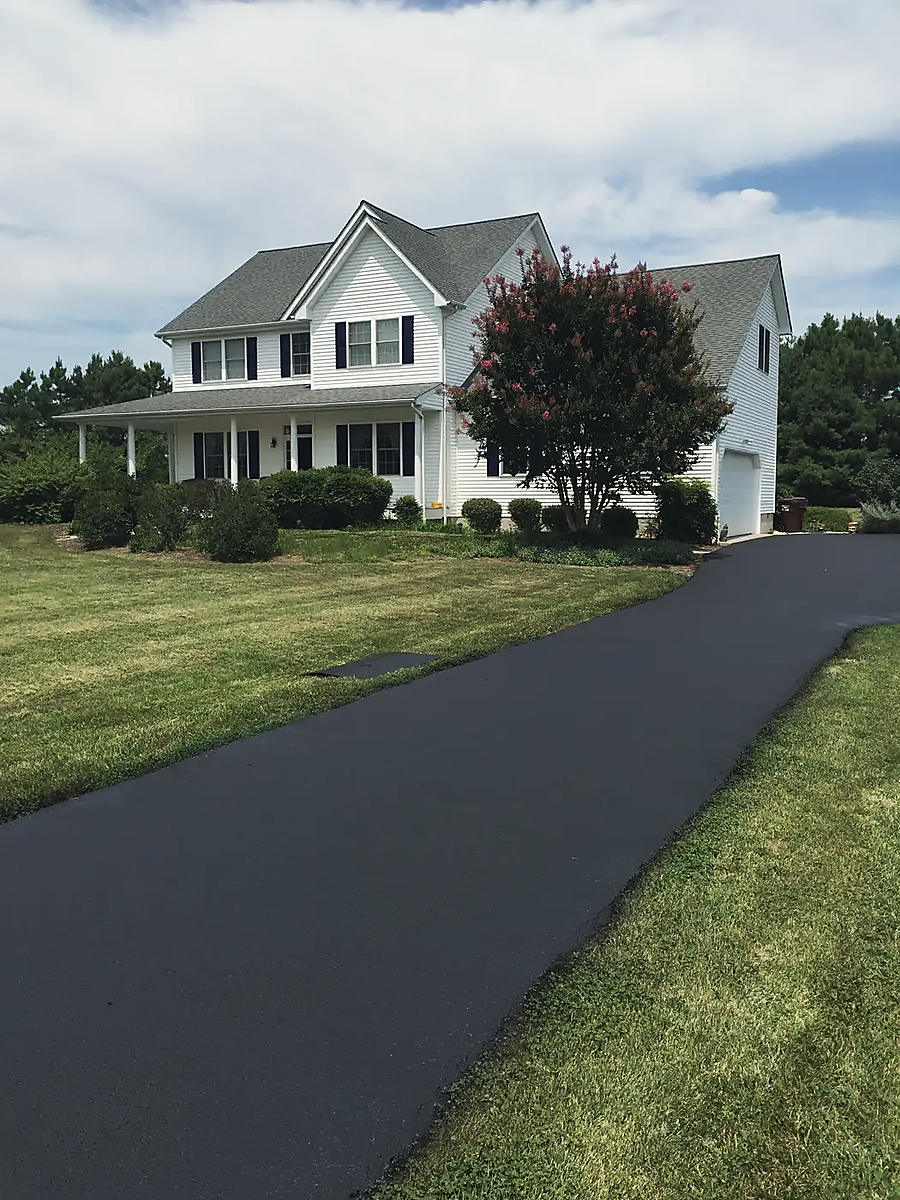
Asphalt paving
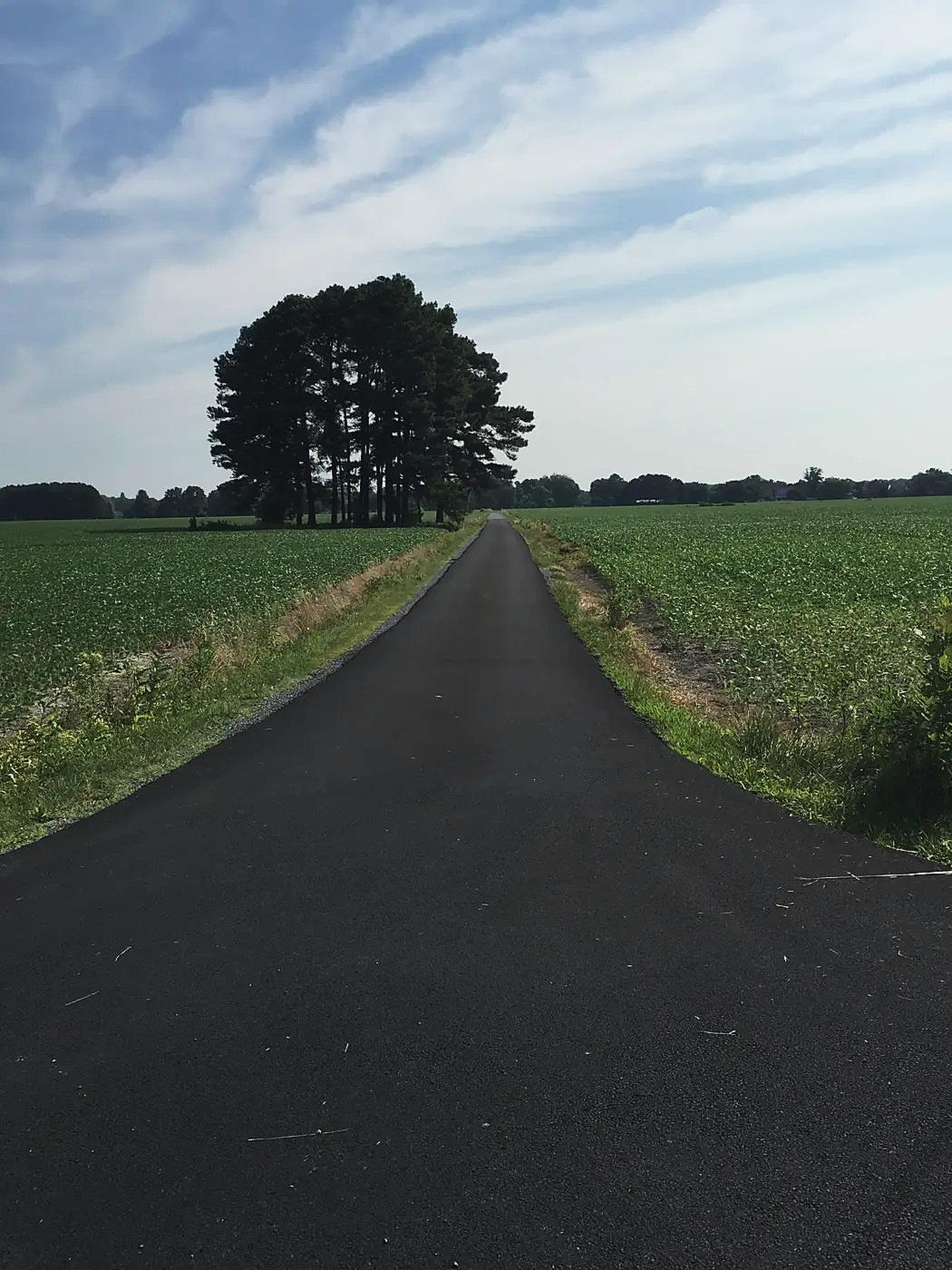
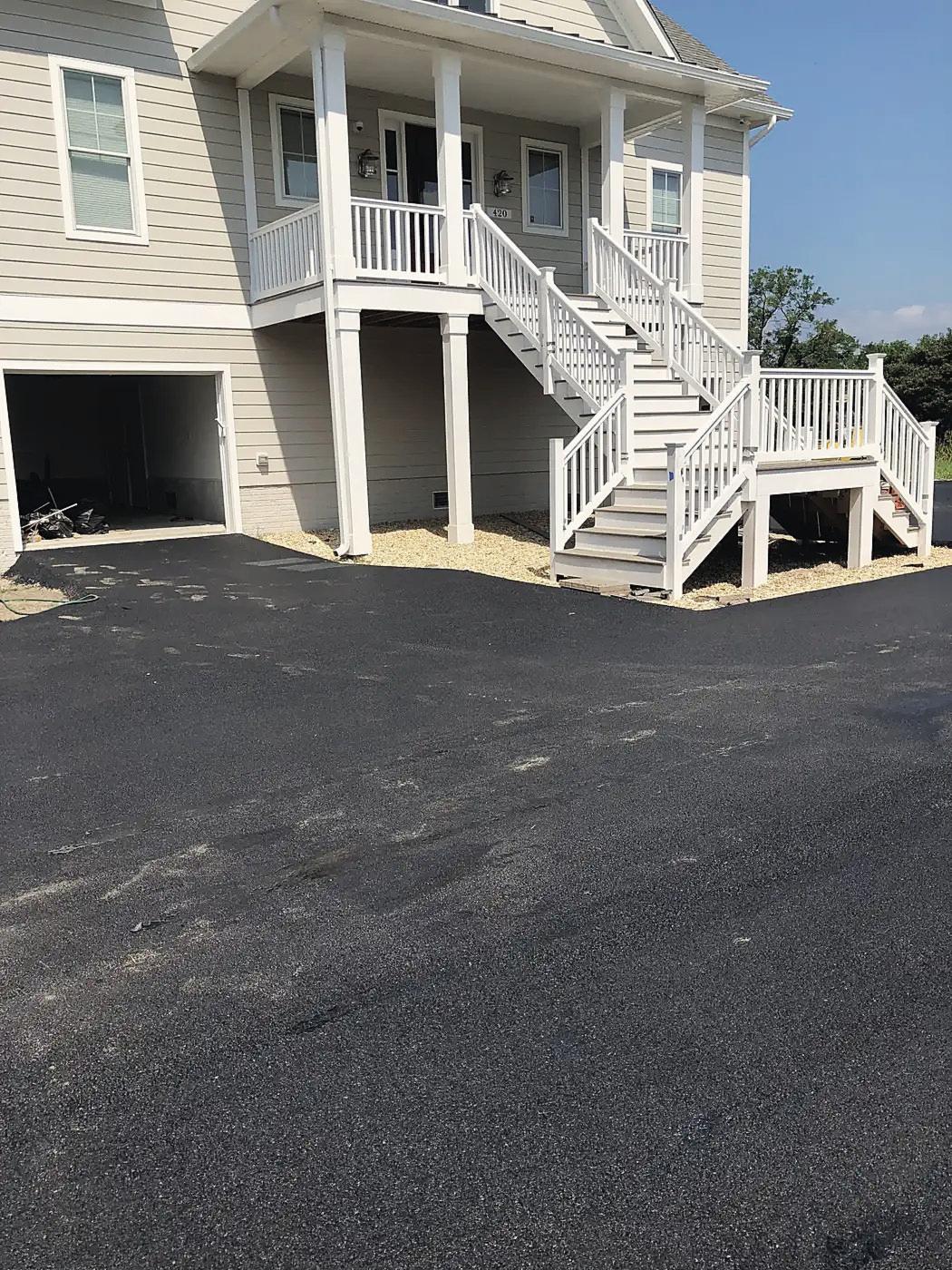
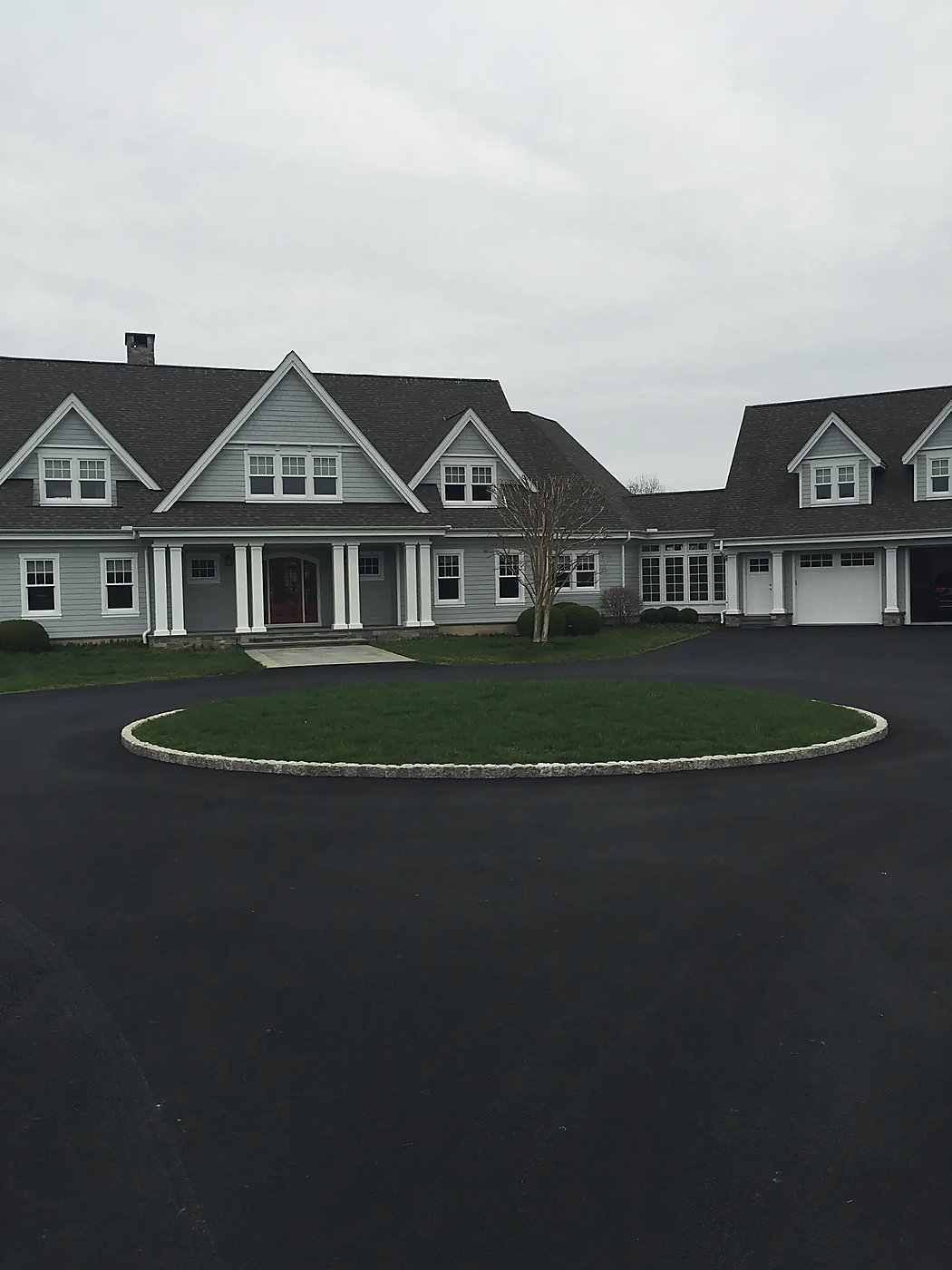
Hot mix laid over a stone base built up and rolled in layers, so it carries a loaded truck as well as the family car. The one most people picture when they say a new driveway.
- Driveways and long farm lanes
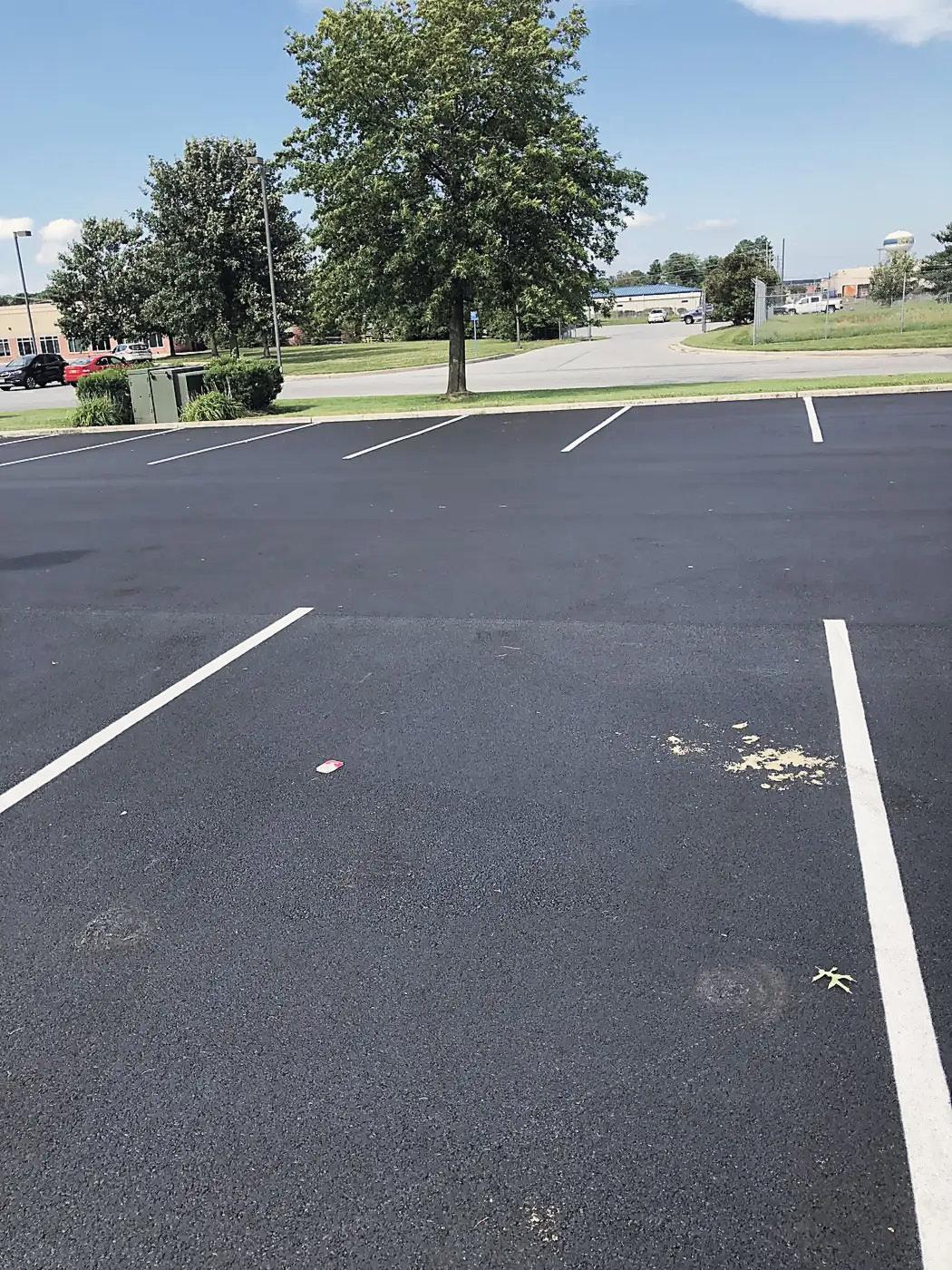
- Parking lots and church lots
- Anywhere that gets plowed
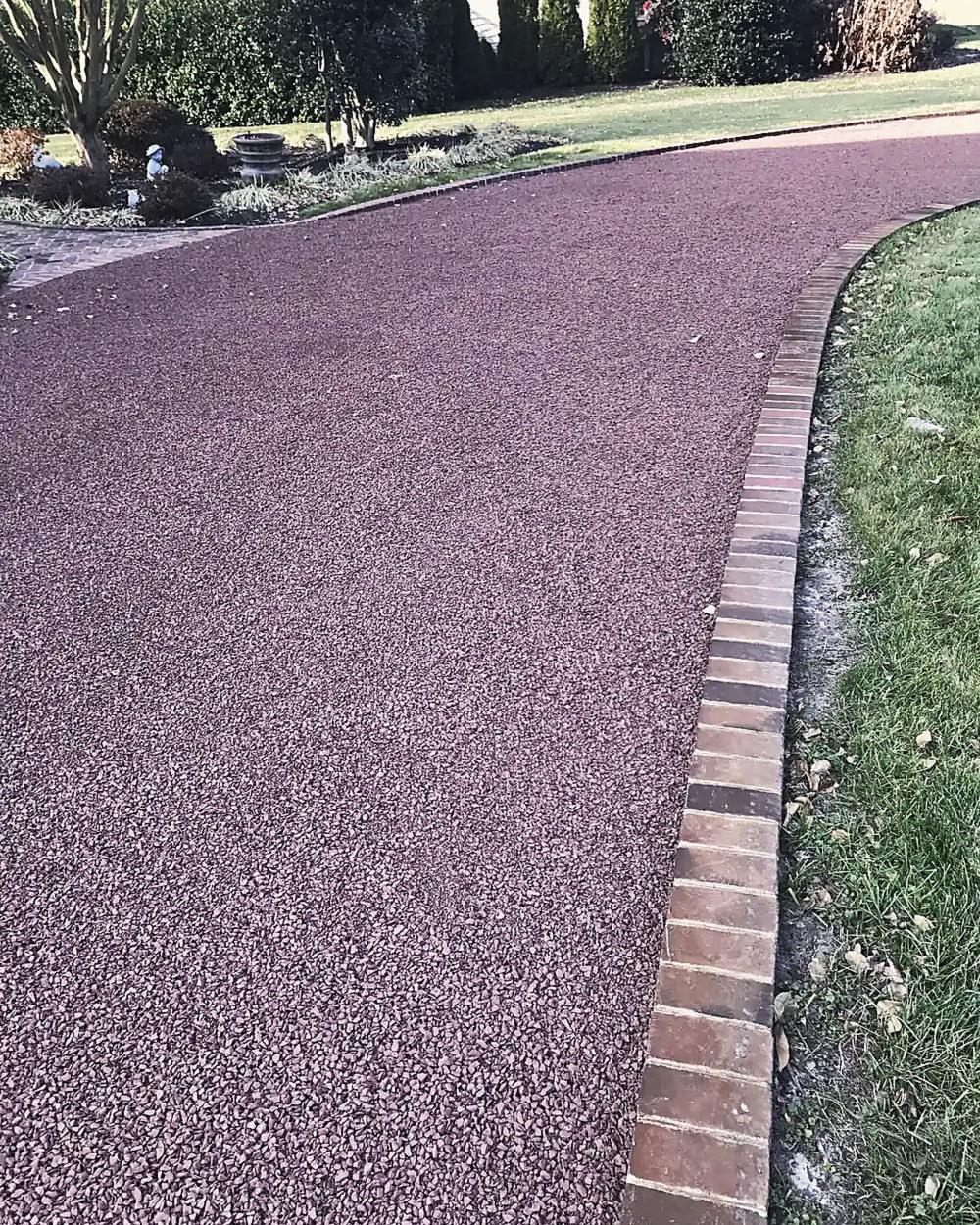
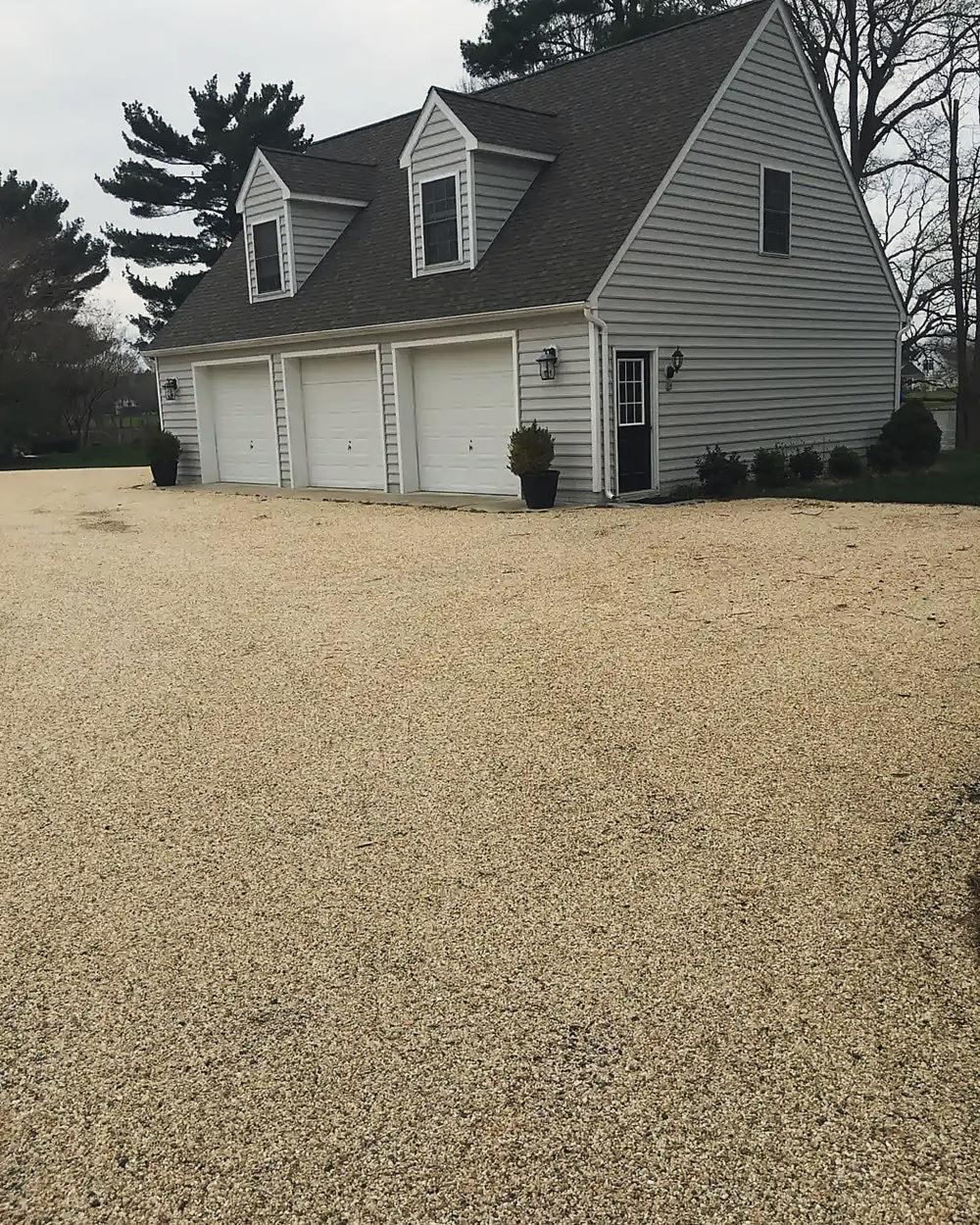
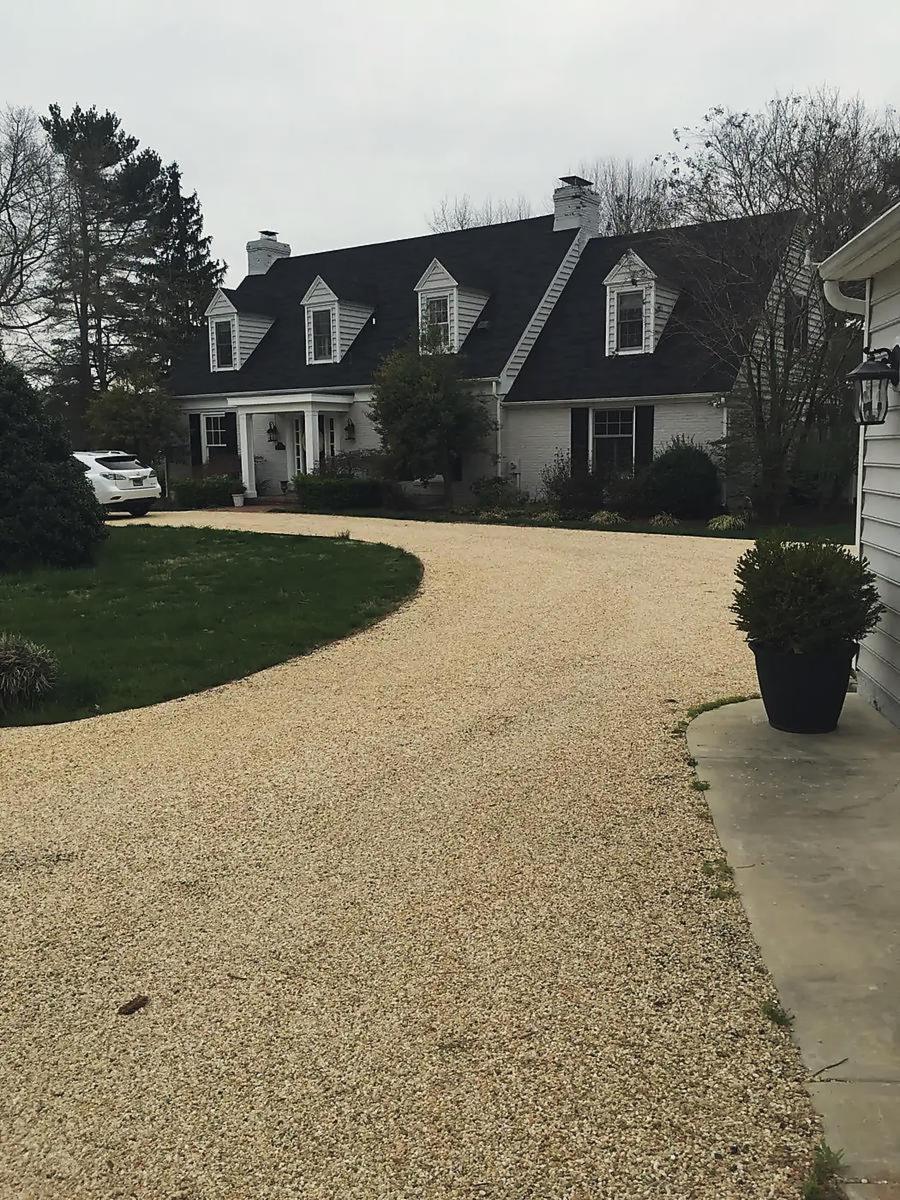
Tar and chip
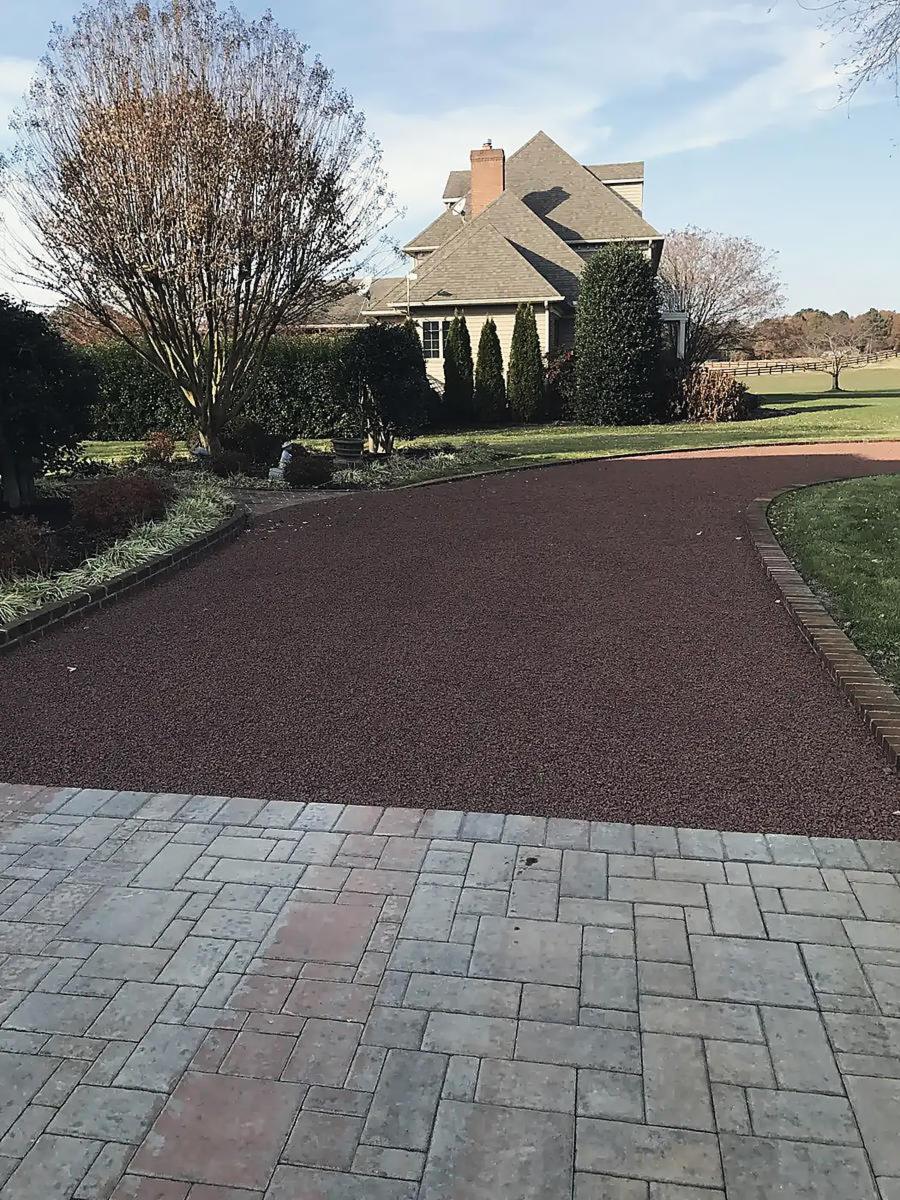
Liquid asphalt with stone pressed into it, so the drive has the colour and grip of stone without the loose gravel. Pick the stone and you pick the colour: deep red, warm tan or grey.
- Country homes and long lanes
- A drive that should look like stone
- Beside brick and paver borders
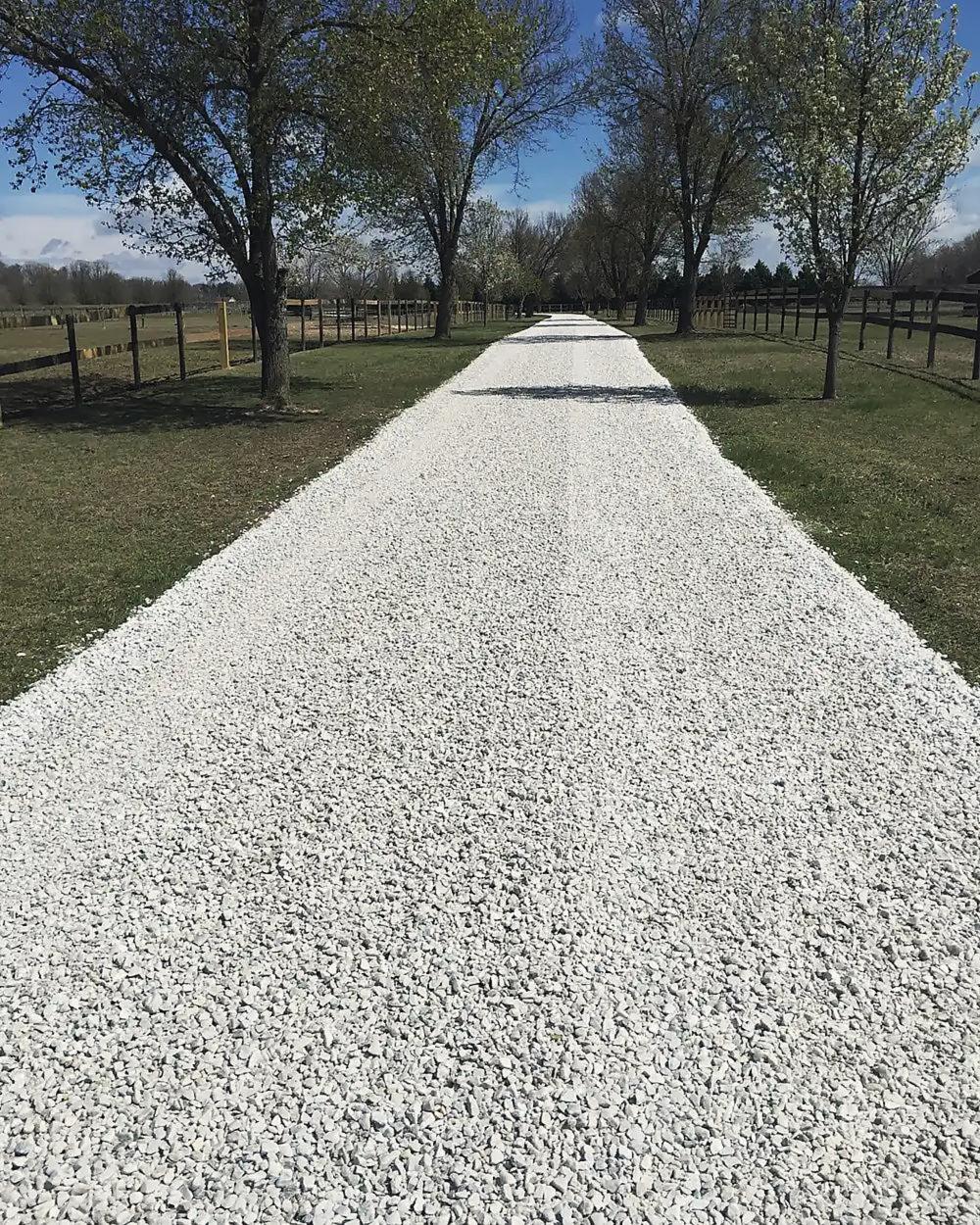
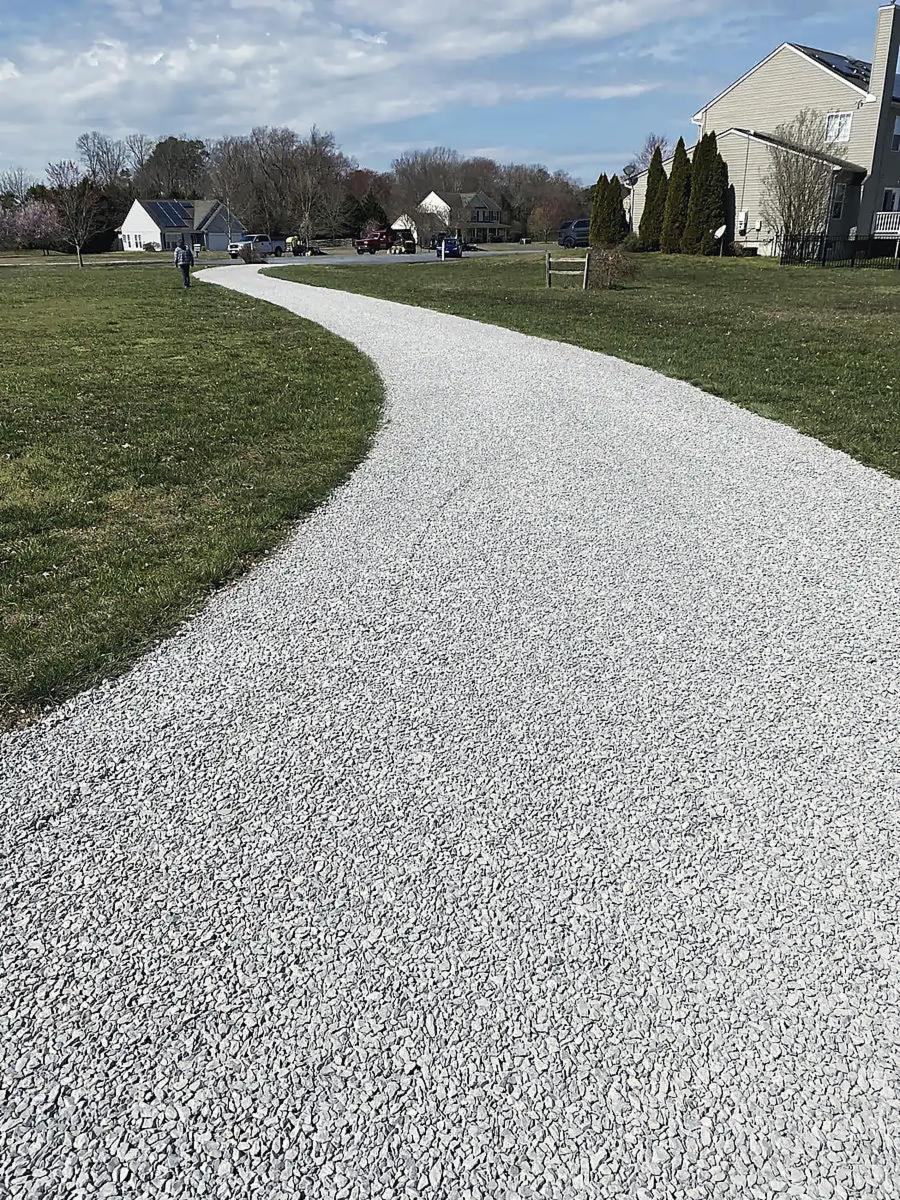
Stone and gravel
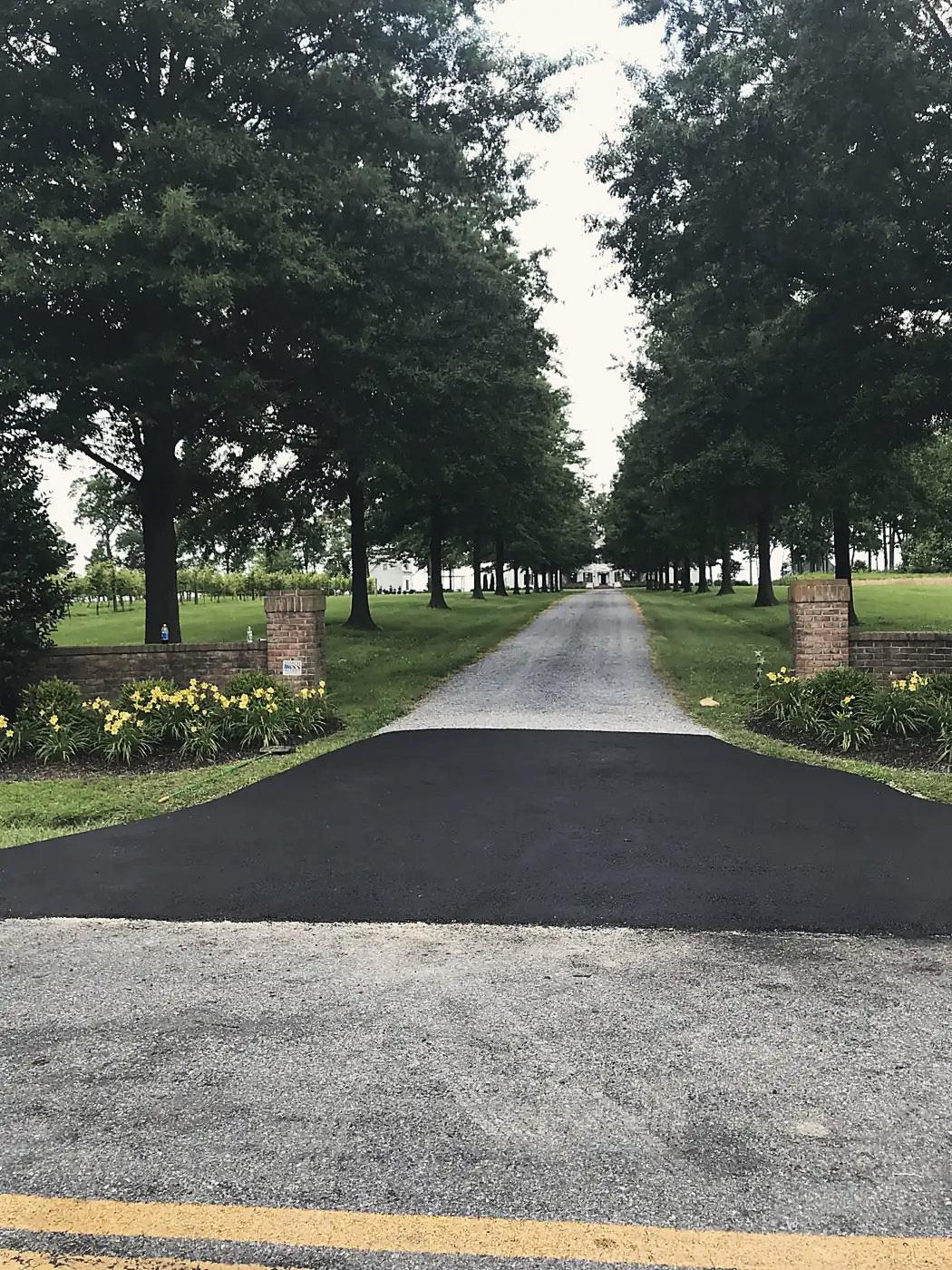
Crushed stone, graded and crowned so water runs off the lane instead of standing on it. Often the base a paved drive goes on later.
- Farm lanes and turnarounds
- Pole barns and outbuildings
- The first stage of a paved drive
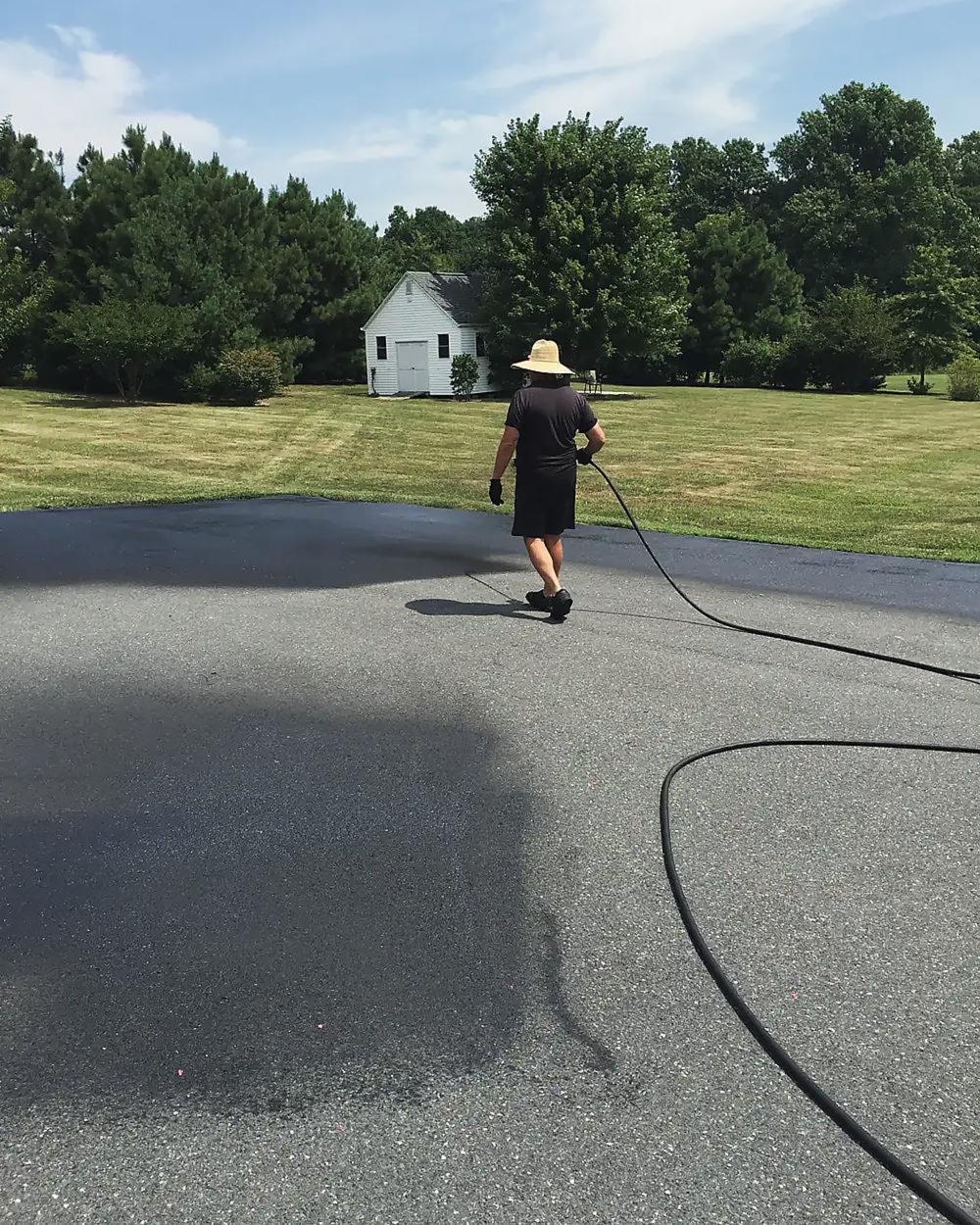
Sealcoating
A coat of sealer over existing asphalt that keeps water out of the small cracks before a freeze opens them up. On the Shore, freeze and thaw does more damage than traffic.
- Asphalt that is sound but greying
- Keeping small cracks small
- Lots that need restriping after
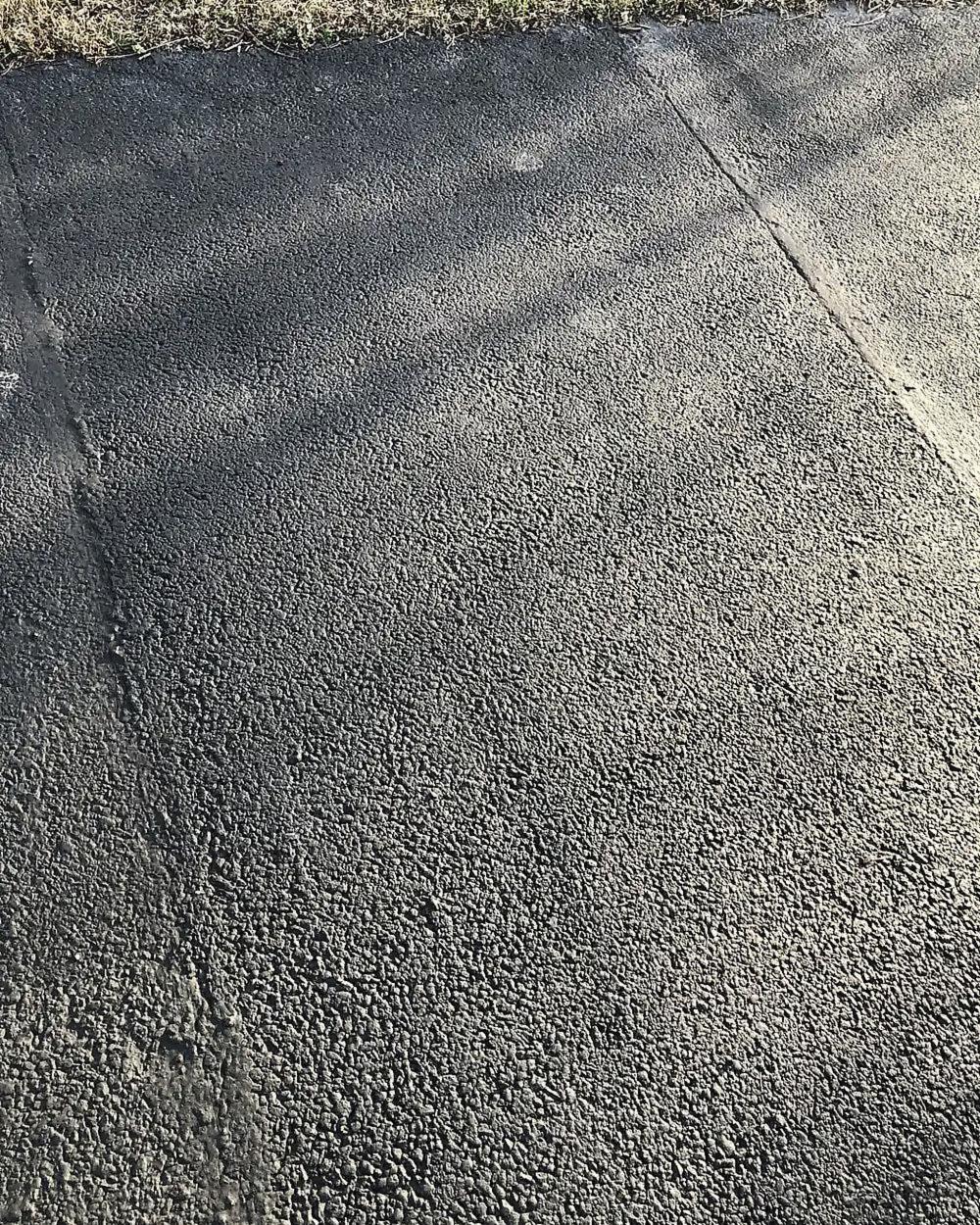
Repair
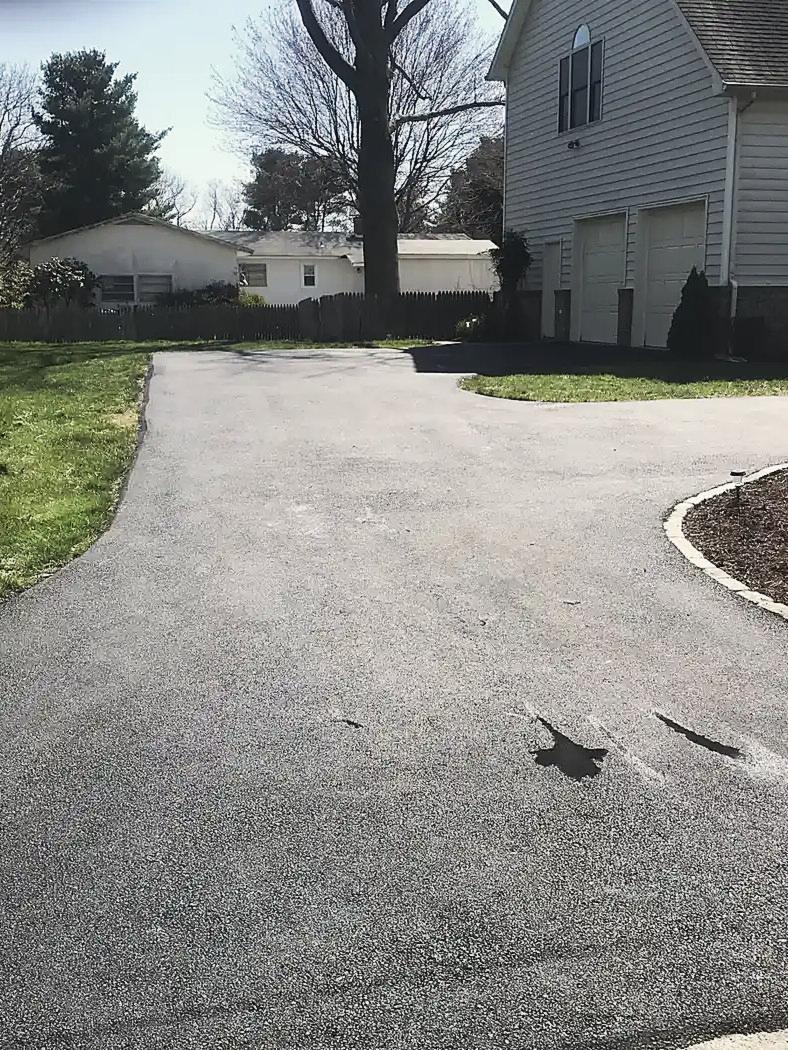
Cut out the soft spot, rebuild the base under it, and patch it level, or lay a fresh overlay across the whole drive. If a repair will do, Bob says so instead of selling a new drive.
- Potholes and sunken spots
- Edges breaking up
- A tired drive on a sound base
Built from the dirt up.
Most home driveways on the Shore fail in the same three places: the apron at the road where trucks swing in, the edges with nothing holding them up, and any low spot that holds water after a storm. All three are grading and base problems, and all three get fixed before a load of hot mix shows up.
Water has to leave the drive, and leave it away from the garage and the foundation, so the fall is set in the dirt and again in the stone. Then the base: topsoil out, fabric where the ground is soft, crushed stone compacted in layers, and a proof roll to find the soft spots while they are still cheap to fix. The edges are raked to a taper, rolled tight and backfilled so the shoulder carries the asphalt, and on a lane where farm equipment runs wide, a stone shoulder runs the full length.
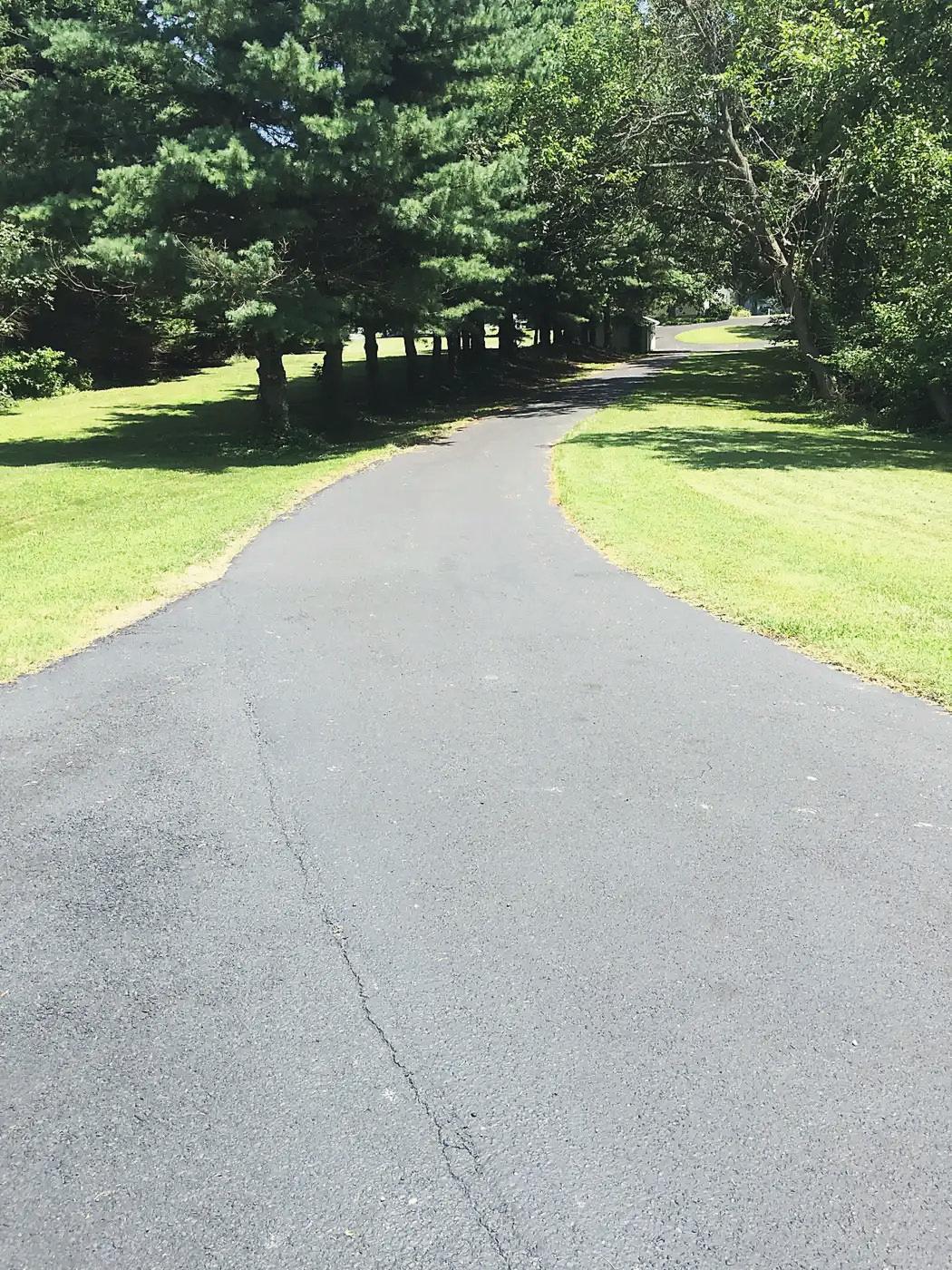
If the shape is right and the base is sound, you may not need a new drive at all. A worn surface with straight cracks is usually a candidate for a new layer over the top. A drive that sinks, holds water or cracks like a web has a failed base, and only a rebuild fixes that. Bob tells you which one you have.
Topsoil and fill dirt, for the ground around it.
Fill dirt builds up low spots that hold water, washed-out shoulders and ground that has settled beside a building. Topsoil goes on last, where grass has to grow back, and neither one ever goes under a driveway. Bob walks it first and tells you what the ground actually needs.
And when it snows, we plow it.
Snow removal for the drives and lots we look after. Call and ask whether your place is on the route.
Driveway questions, answered straight.
How long does it take to pave a driveway?
Most home driveways take one or two days once the crew starts: the base first, the asphalt after it. Long lanes, wet ground and drainage work add time, and you get the real schedule before anything begins.
How wide should a driveway be?
Ten to twelve feet suits one car. Sixteen feet or more is better when two vehicles need to pass or park side by side. The turn in from the road matters too, because a tight apron is what makes drivers cut the corner and break the edge.
Can you pave a long farm lane?
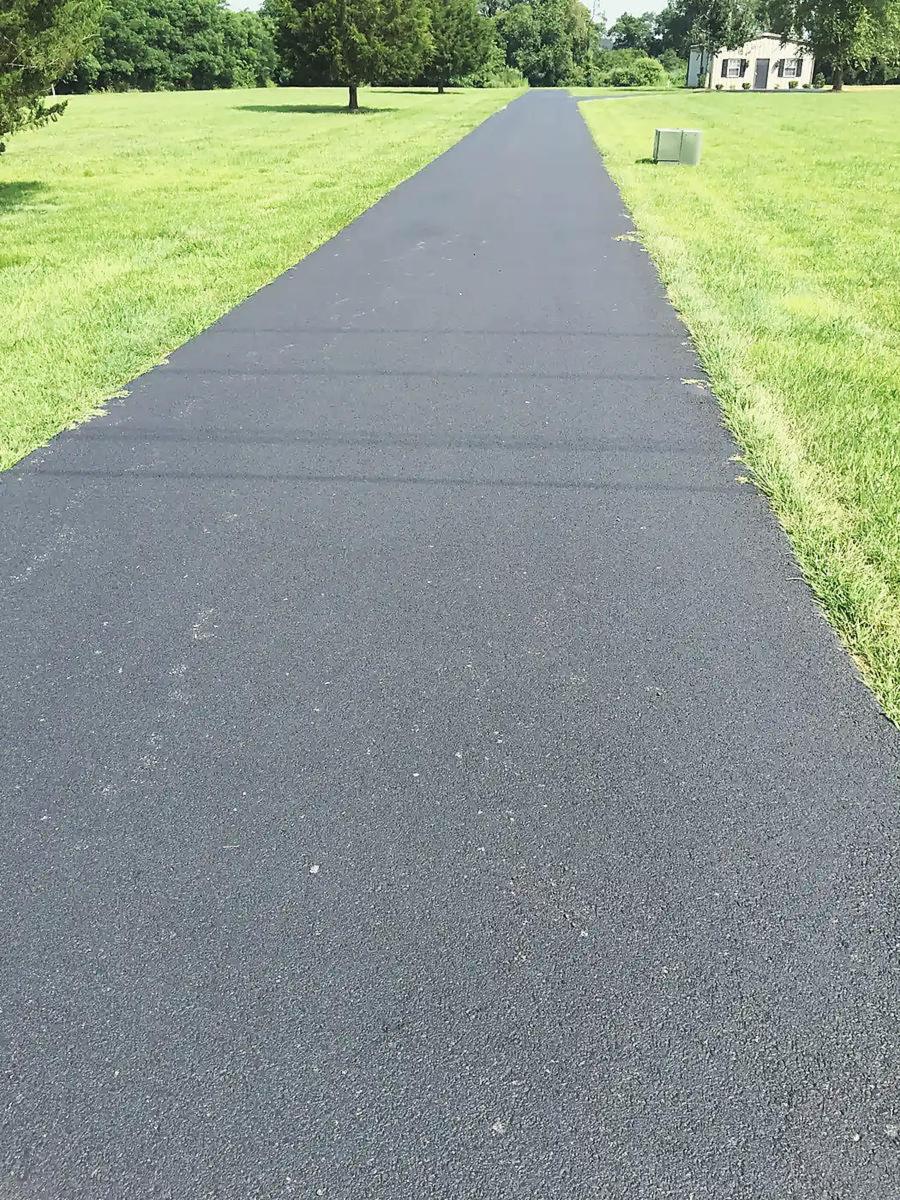
Yes, a lot of them. A long lane needs a wider stone shoulder, room for equipment to pass and real thought about where the water runs, since a lane can act like a ditch in a heavy rain.
Will a new driveway hold a camper or a boat trailer?
It will if it is built for it. Say what will sit on it and where, and the base and the asphalt are made thicker in that spot.
Do you take out the old driveway?
When it needs to come out, yes: broken up, hauled away and the base rebuilt before the new surface goes down. Sometimes the old surface can stay as part of the base, and Bob will tell you when that is a fair option.
Do you pave driveways outside Federalsburg?
Yes. Denton, Preston, Hurlock, Trappe, Easton, Cambridge, Salisbury, Sudlersville, Stevensville and Chester are all normal ground, along with Ocean City and asphalt paving in Delaware.
Robert and Son PavingFree estimates · Bob calls you back