HomeSealcoating
Sealcoating · Eastern Shore, MDKeep a good drive good.
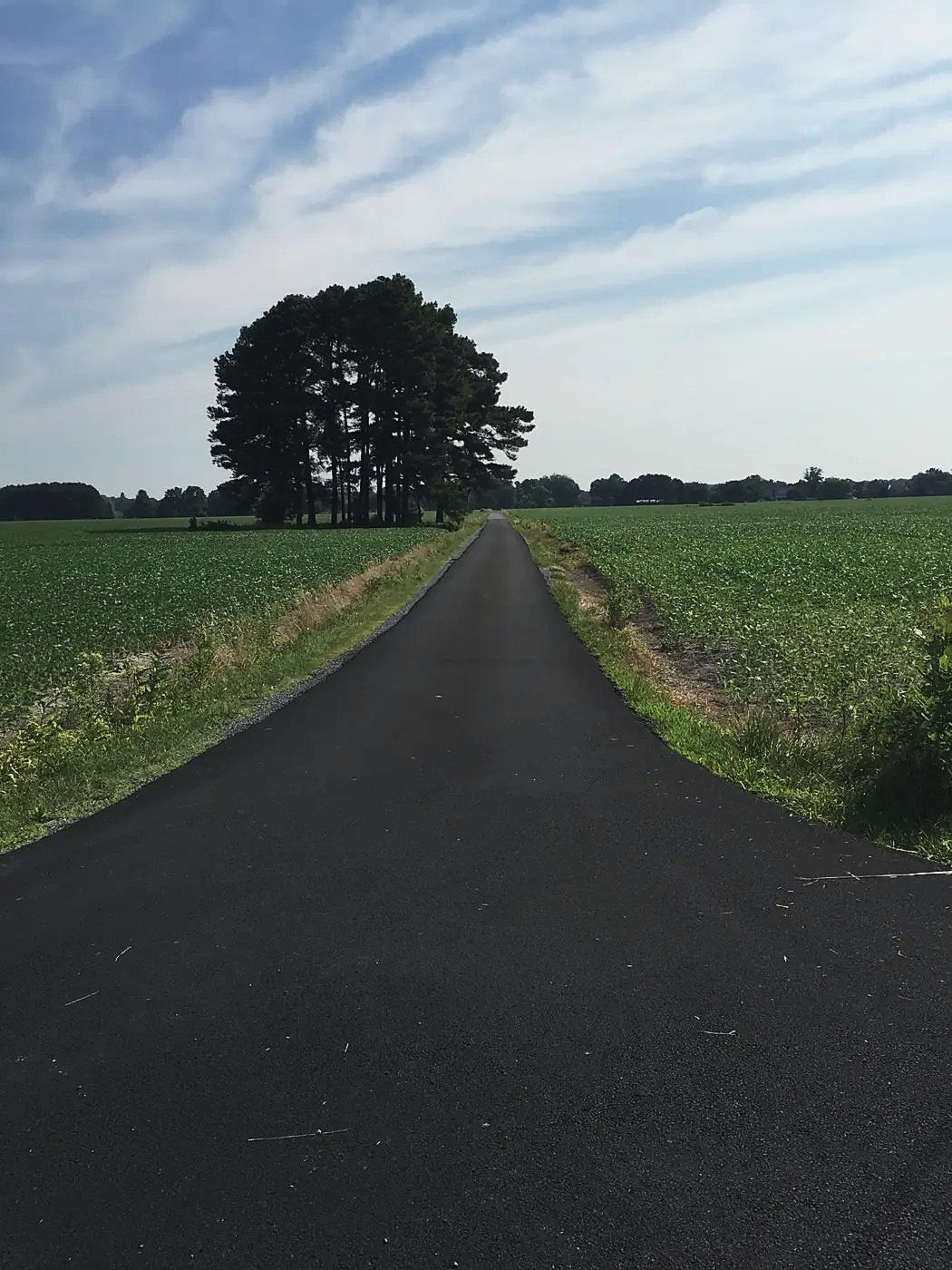
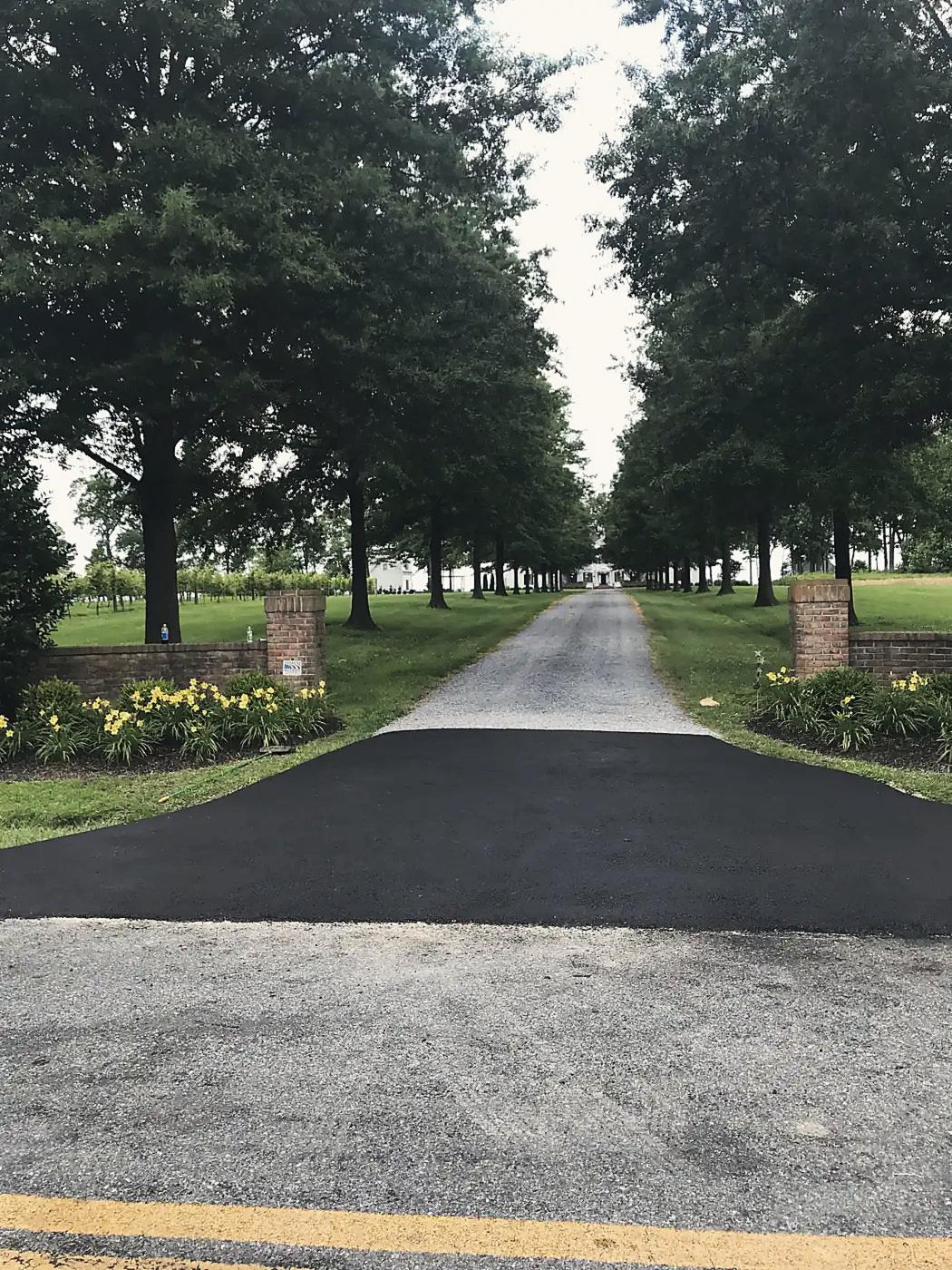
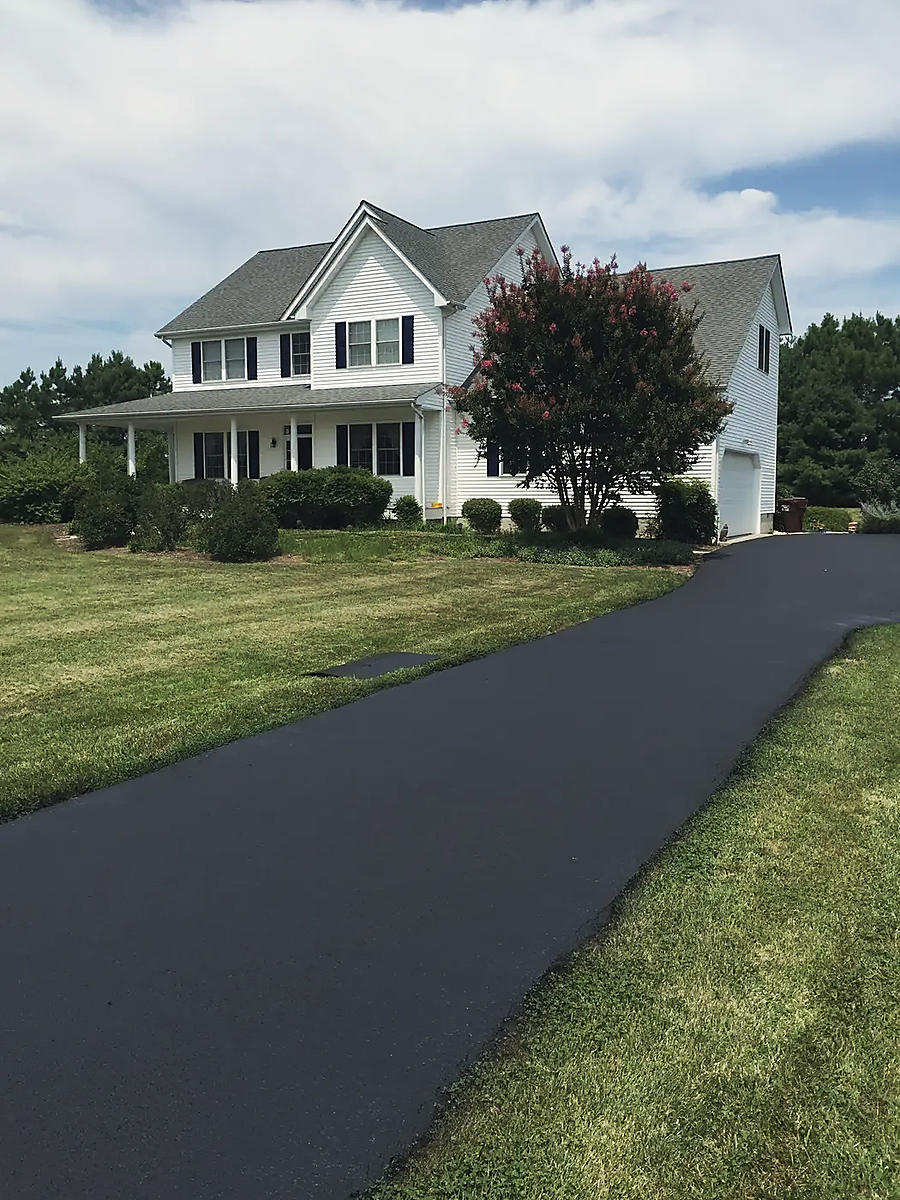
Sealcoating for driveways and parking lots on Maryland's Eastern Shore: a fresh skin over sound asphalt that keeps the sun, the rain and spilled fuel from wearing it out.
What sealer actually does.
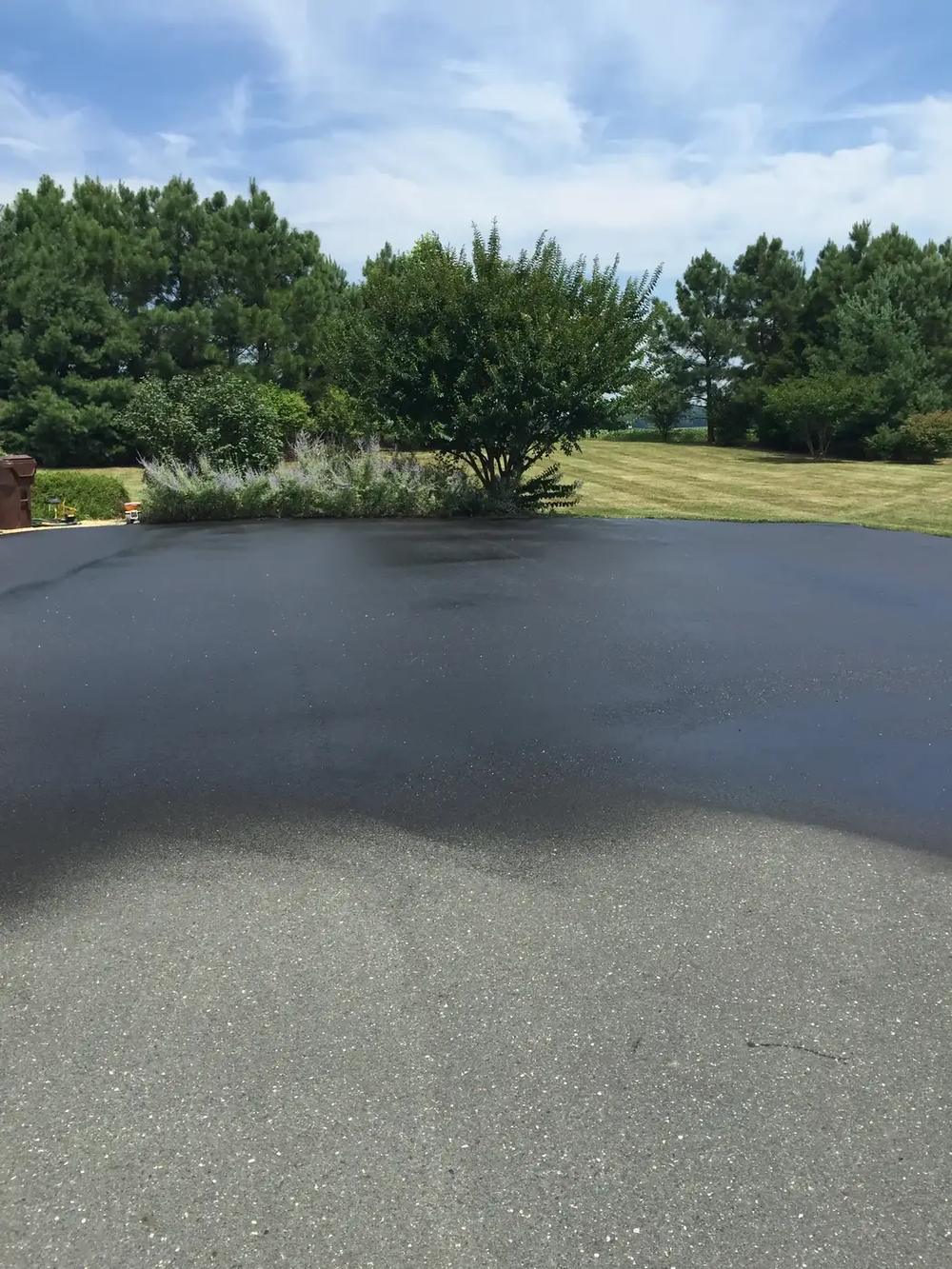
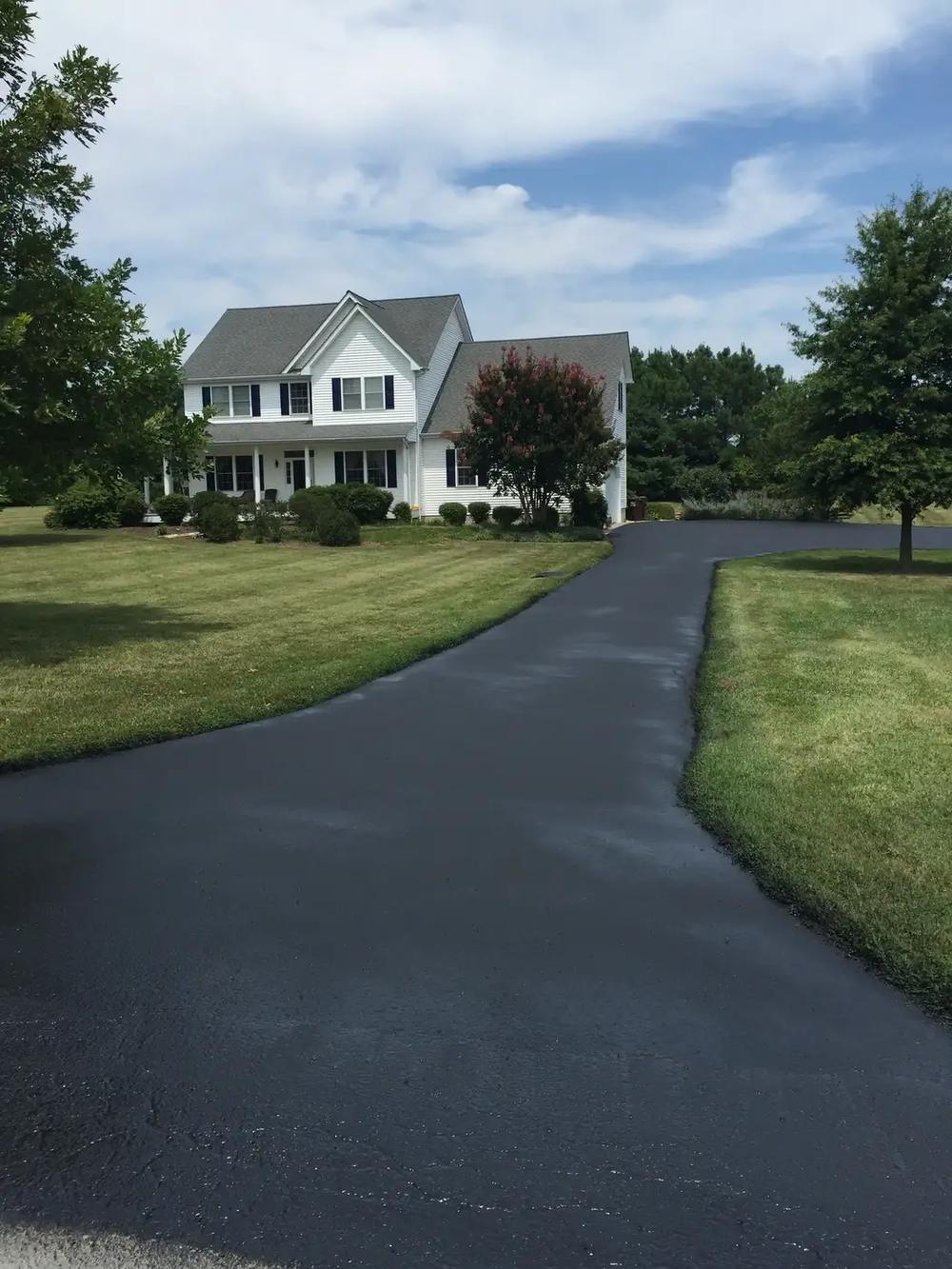
Three things. It blocks the sunlight that dries out the binder and turns black asphalt gray. It fills the small voids in the surface so water runs off instead of soaking in. And it leaves a fuel resistant skin, so a drip of gas or oil sits on top instead of eating into the mix. None of it rebuilds a failed surface: sealer protects good asphalt, it does not fix bad asphalt.
- Asphalt that is sound but going gray
- Keeping small cracks small
- Lots that need restriping after
How often, honestly.
Every two to three years for most driveways, and every year or two for a lot that takes trucks and turning traffic. Sealing a quiet driveway every year wastes money and causes its own trouble: coat over coat builds a thick film that cracks and peels off in sheets. If yours can wait a season, Bob will say so.
What happens on the day.
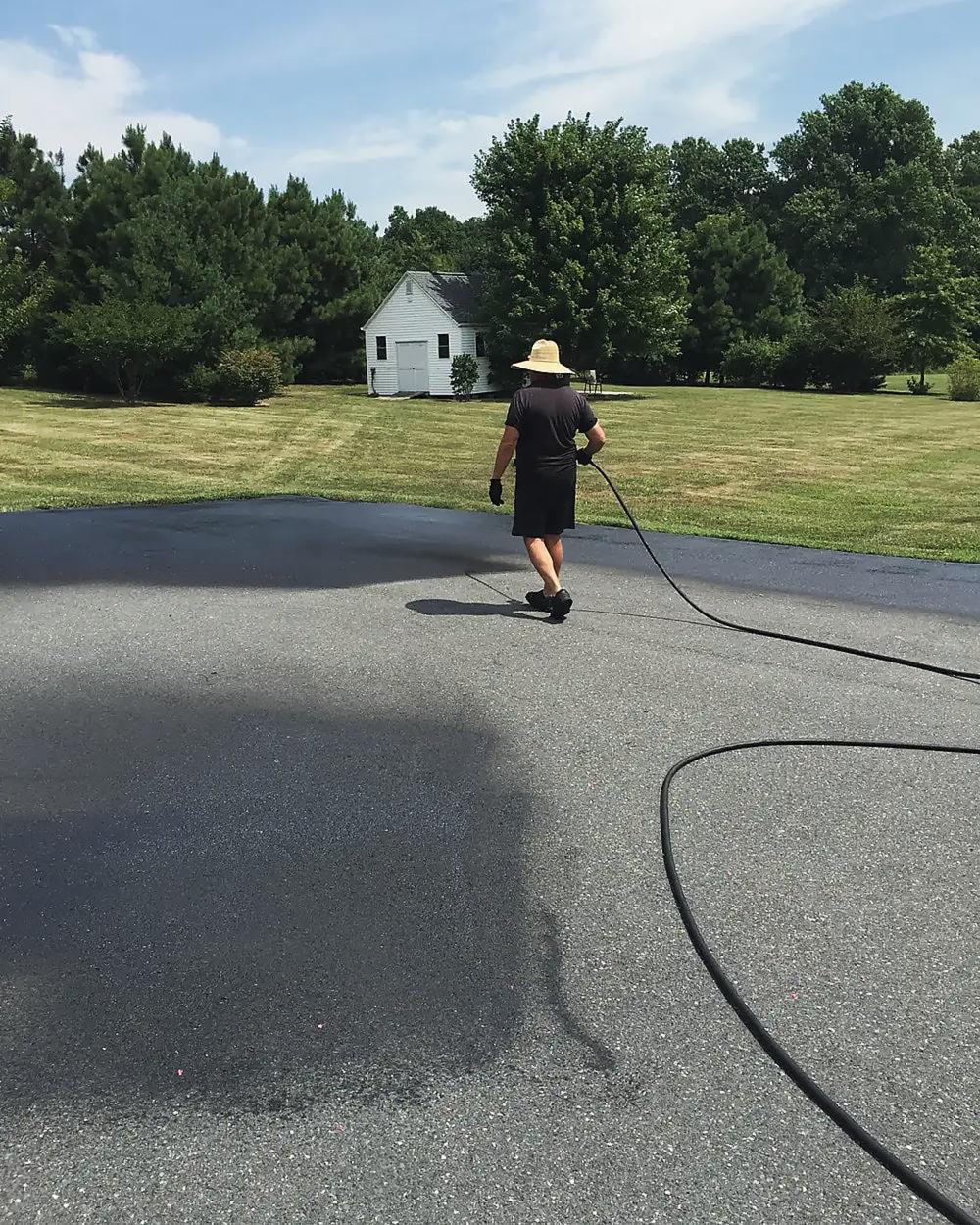
Most of the work is the cleaning. The surface is blown down, the edges swept, oil spots wire brushed and primed because sealer will not stick to oil, and the grass cut back so the coat runs to the real pavement line. Open cracks are routed out and filled first, and any soft spot that turns up gets patched, because sealer goes on over a surface that is whole.
The first coat is squeegeed, which pushes it into the surface, and a second coat is sprayed for an even finish on drives and lots that take heavy use. Stay off it on foot for a day and give it 24 to 48 hours before driving on it, longer when the weather is cool or damp. Then drive straight in and straight out for the first week, because turning the wheel while the car stands still scuffs a fresh coat.
Sealer wants a dry day above 50 degrees with a dry night behind it, so a storm coming up the bay moves the schedule. Robert and Son seals residential and commercial surfaces across the Eastern Shore under MHIC #74385, with a two year warranty and free estimates.
Sealcoating questions, answered straight.
When is the best time of year to sealcoat?
Late spring through early fall, when the days are dry and above 50 degrees and the nights stay mild. Sealer needs warmth to cure, so the season ends once the cold nights settle in.
Can you seal a brand new asphalt driveway?
Not right away. New asphalt has to cure and give off its oils first, and sealing too early traps them and leaves a soft surface that marks. Bob will tell you when yours is ready.
Will sealcoating hide cracks?
No. Sealer is about as thick as paint, so a crack reads straight through it. Cracks are filled and sealed first, then the coat goes on, which is the only order that keeps water out.
How long does a seal coat last?
Two to three years on a home driveway, one to two on a busy commercial lot. Traffic, turning, sun and standing water all decide it, which is why the surface is looked at before it is priced.
Do you sealcoat parking lots too?
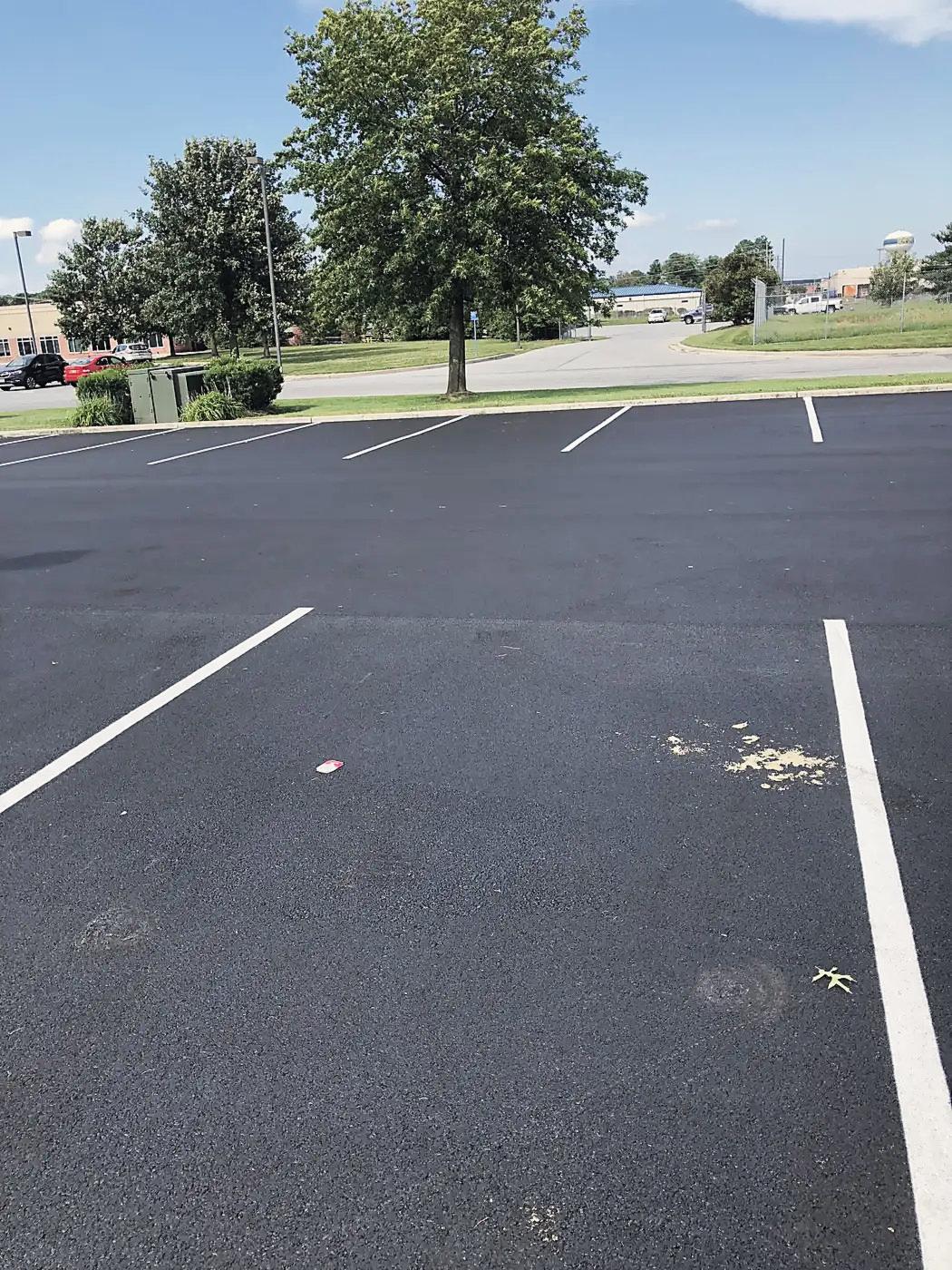
Yes, from a short country driveway to a church or business lot. Lots usually get two coats, then fresh parking lot striping once the sealer has cured.
Do you charge for an estimate?
No. Bob comes out, measures the surface, looks at the cracks and the drainage, and gives you one number, with the two year warranty on the work.
Is sealcoating worth it?
On sound asphalt, yes: it slows the sun and water damage that turns a black drive gray, then rough, then shedding stone. On asphalt that is already breaking up, the money is better spent on repair or a new layer, and Bob will say which one yours needs.
Robert and Son PavingFree estimates · Bob calls you back